
Prototyping Works — So What Goes Wrong in Mass Production?
Every PCBA manufacturer knows prototyping. Your board passes testing, components are verified, and the assembly looks perfect. But when you scale from 10 units to 10,000 units, problems emerge that prototypes simply cannot reveal.
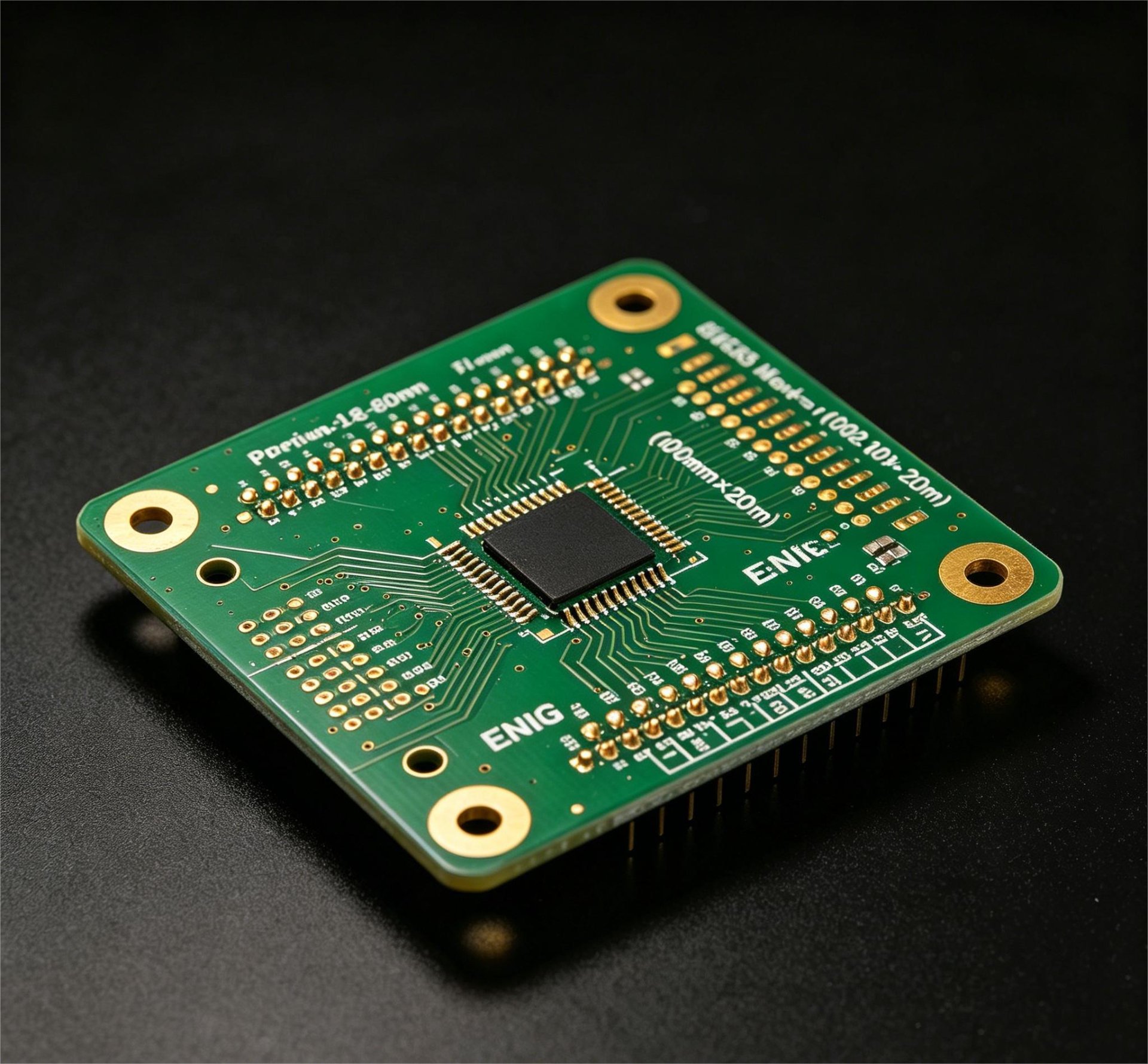
3 Reasons Why Pilot Production Is Essential
- SMT process stability — A few hand-assembled boards hide placement accuracy issues, solder paste consistency problems, and reflow temperature profile defects that only appear under continuous production conditions.
- Component supply chain risks — Prototype runs use readily available stock. Mass production reveals substitutions, lead time delays, and quality variations from alternate suppliers.
- Assembly line efficiency — Fixture compatibility, panelization design, and throughput bottlenecks remain invisible without running a mini production batch on actual manufacturing equipment.
A pilot run of 50–500 units catches these issues early, at a fraction of the cost of a full production recall or line stoppage. For PCB and PCBA manufacturers worldwide, pilot production is not an optional step — it is the bridge between engineering validation and manufacturing readiness.
The Bottom Line
If you are serious about reliable PCBA manufacturing, prototypes validate your design. Pilot production validates your process. Never skip the bridge.